How Does Self-Healing PPF Work? Benefits and Mechanism of Paint Protection Film
Every car owner wants to keep their vehicle looking fresh and flawless, but even the most careful drivers can't avoid tiny scratches and scuffs. What if your car could fix those small marks on its own, without trips to the shop or expensive touch-ups? That's exactly what self-healing paint protection film (PPF) does, using clever materials and a bit of heat to smooth out everyday wear so your paint stays shiny and new longer. At Prestige Auto Spa York, we've seen how this technology changes the way people protect their cars, making maintenance easier and peace of mind just part of the ride.
Self-healing Paint Protection Film (PPF) is made from a specialized polyurethane material with an elastic topcoat that reacts to heat, allowing minor scratches and swirl marks to naturally disappear over time. When exposed to warmth, either from sunlight or a gentle heat source, the film's top layer softens and heals, restoring a smooth, clear surface while maintaining durable protection for your vehicle's paint.
Key Takeaways
- Self-healing PPF uses thermoplastic polyurethane with a heat-activated topcoat that automatically repairs minor scratches and swirl marks when exposed to warmth from sunlight or other heat sources
- The technology protects against everyday wear and tear including parking lot scratches, road debris, and environmental contaminants without requiring professional polishing or costly touch-ups
- Polyurethane offers superior flexibility and durability with exceptional chemical resistance, optical clarity, and resilience that helps preserve your vehicle's factory paint far longer than unprotected surfaces.
- Professional installation ensures optimal performance and longevity with proper surface preparation, precise application, and warranties that protect your investment.
- Self-healing PPF requires minimal maintenance compared to traditional protection methods, needing only gentle washing with pH-neutral products.

What is Self-Healing PPF?
Self-healing paint protection film stands apart from regular paint protection because it actively repairs itself after sustaining minor damage. This results from the unique properties embedded in the thermoplastic polyurethane (TPU) that forms the film's core layer. TPU has elastic and flexible qualities that allow it to absorb small scratches or swirl marks and then gradually return to its original smooth shape.
The secret lies in the special topcoat applied atop the TPU layer. This coat is designed to be heat reactive, meaning when warmth is applied, either from direct sunlight or even a warm cloth, it softens just enough for minor imperfections to relax and blend back into the surface. This process preserves the flawless appearance without needing costly touch-ups or professional polishing work after every little incident.
While self-healing PPF can handle small scratches effectively, it isn't invincible. Deep gouges or sharp impacts that break through the film will require professional care. Paint protection films do not completely protect a vehicle from all kinds of damage, and they do not make the surface 100% impervious. Yet, by reducing surface imperfections caused by everyday use, this film keeps maintenance down and extends the life of your car's original paintwork significantly.
From our experience at Prestige Auto Spa York, customers appreciate how self-healing PPF combines resilience with low maintenance demands. Because it continually renews its surface, cleaning becomes simpler. When paired with regular washes and gentle upkeep, this shielding layer acts as both guardian and beautifier for your vehicle, enhancing resale value and protecting your investment.
How Self-Healing Works
At the core of self-healing paint protection film is a specialized polyurethane topcoat designed to respond dynamically to heat. This polymer has a molecular structure that softens and flows slightly when warmed, enabling it to fill in superficial scratches and swirl marks without manual intervention. This behavior takes advantage of everyday heat sources, like sunlight or your car's engine warmth, turning them into natural repair activators.
The polyurethane layer contains elastomeric polymers, which are long-chain molecules capable of stretching and returning to shape. When these chains are disrupted by minor abrasions, applying heat causes them to become more malleable. They then realign and flow back together, smoothing out what initially appeared as damage.
Self-healing works best on surface-level imperfections rather than deep gouges. In real-world driving conditions, most everyday swirl marks and light scratches are shallow enough for self-healing films to correct effectively, making this technology incredibly practical for routine wear and tear protection.
Healing typically occurs faster in warm conditions and may take longer in cooler temperatures. We often advise leaving your vehicle in warm sunlight for about 30 minutes after noticing minor scratches to help activate the healing effect. For colder climates or seasons, using a gentle heat source such as a hairdryer on low can accelerate this process safely.
Polyurethane Properties and Performance
Polyurethane stands out because of its unique combination of flexibility and toughness. Unlike rigid plastics that crack under pressure, polyurethane stretches and flexes, allowing it to absorb impacts from minor road debris without breaking apart. This elastic nature means when minor imperfections form on the paint protection film, they don't cause permanent damage.
Beyond elasticity, polyurethane offers exceptional chemical resistance and optical clarity. This means it won't degrade or yellow easily when exposed to sunlight, chemicals, or weather conditions. The material's transparency ensures your car's paint color shines through perfectly while being protected invisibly. High-quality self-healing PPF can significantly extend the lifespan of factory paint when properly installed and maintained.
The important features include flexibility that helps it bounce back from hits, resistance to chemicals that protects against stains and damage from the environment, clear visibility that prevents yellowing, durability that withstands scratches over time, and a long-lasting effect that greatly increases the life of the paint. These properties collectively create a protective barrier that adjusts, repairs itself, and keeps your car looking like new.
Benefits of Using Self-Healing PPF
Self-healing PPF is a smart shield that actively works to keep your car looking fresh and flawless. One of the clearest advantages is how it extends the lifespan of your paint. Think of it as armor that mends itself after minor imperfections, preserving that showroom finish much longer than conventional coatings.
Paint protection film acts as a protective barrier between the elements and your car's exterior, providing protection against road debris as well as other environmental contamination. This makes it ideal for protecting vehicles of all types in harsh driving conditions. It can be applied to the full car body or just specific areas, such as bumper corners, door edges, and rocker panels.
The ease of maintenance is another significant perk. Unlike traditional protection methods that demand careful upkeep, self-healing PPF simplifies your routine. Washing your car normally with gentle soap and water is enough to keep the film and your car's paint looking pristine.
From a financial perspective, self-healing PPF represents an intelligent investment. The self-healing ability means those small imperfections caused by daily driving fade away quickly, sometimes just with a bit of warmth from sunlight. This reduces the need for costly polishing or professional repairs.
From our experience at Prestige Auto Spa York, clients with leased vehicles especially appreciate this benefit because it helps avoid costly penalties at lease-end for paint damage. Self-healing PPF enhances color and prevents oxidation of existing paint surfaces while extending the life of your vehicle's exterior finish. It reduces fading, discoloration, and deterioration caused by environmental elements like salt water, acid rain, road debris, and bird droppings.
Applying and Maintaining PPF
For the best results with paint protection film, preparation is everything. We always emphasize starting with a perfectly clean surface, thoroughly washing the vehicle to remove every trace of dirt, dust, wax, or oils that could interfere with adhesion. Skipping or rushing this step often leads to poor bonding and bubbles later on.
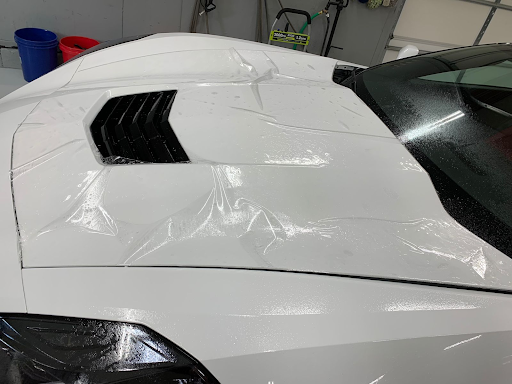
Once the surface is spotless, the actual application begins. We prefer the wet application method because it allows repositioning the film before it sets and helps prevent air pockets from forming. By spraying a solution of soapy water beneath the film as we lay it down, we create enough slipperiness to adjust its position precisely.
Then, using a squeegee, we gently push out trapped liquids and air bubbles toward the edges. After laying the film perfectly flat, curing is the crucial next phase. The adhesive on PPF doesn't instantly lock in place; it gradually bonds over days as excess moisture evaporates. During this window, washing or exposing the car to extreme conditions prematurely can weaken adhesion. This period usually lasts between two and five days.
Maintenance after installation plays an equally important role in keeping that protective shield effective for years. Cleaning should be gentle, using pH-neutral car shampoos to prevent degrading the film's surface or altering its self-healing properties. Avoid abrasive brushes or harsh chemicals. If you notice minor swirl marks, the self-healing aspect kicks in by simply exposing the area briefly to moderate heat like sunlight.
When washing your PPF-covered car, use a microfiber cloth alongside plenty of water to lift contaminants without causing damage. Avoid automatic car washes with stiff brushes; touchless options are preferable for prolonging PPF life.
Professional vs. DIY Installation
When it comes to installing self-healing PPF, professional installation remains the gold standard for those seeking flawless results. Our experience at Prestige Auto Spa York shows that professionals bring precision tools and controlled environments that are difficult to replicate at home. These factors minimize errors like bubbles, misalignment, or wrinkles that could compromise both appearance and protection.
A carefully applied PPF lasts longer and performs better. Many car owners who have gone this route report satisfaction in aesthetics and peace of mind knowing their car's finish is genuinely guarded. Plus, many reputable shops offer warranties covering issues related to improper installation.
DIY installation kits for self-healing PPF have become increasingly popular due to their affordability and accessibility. Complete kits include pre-cut film tailored to popular car models along with necessary application tools. This approach appeals especially to hobbyists or those comfortable with detailed handiwork.
The main hurdle with DIY installations lies in execution. Without the training or specialized equipment professionals use, mistakes like trapped dust particles or uneven edges are common. It takes patience, a steady hand, and practice.
Our advice: if you decide on DIY, start small. Test on door panels or less visible spots first to hone your technique. Work slowly, under appropriate lighting conditions with clean surroundings. Use quality tools designed for PPF. While DIY offers cost savings, be honest about your skill level. A poorly installed PPF does more harm than good. Paint protection film is not completely invisible, and occasionally the film is visible, especially around edges and corners.
Choosing Quality Self-Healing PPF
When it comes to selecting paint protection film, quality varies significantly across different products. High-quality self-healing films differ in thickness, clarity, and durability, which is why professional installer selection matters more than specific product names.
The best self-healing PPF combines exceptional clarity with a highly durable surface that actively repairs itself after minor abrasions. Films engineered with greater thickness enhance longevity and offer more robust protection against environmental damage like UV rays and road debris.
There are different types of paint protection films available on the market. The most common type is a clear, thin urethane film that is applied as an adhesive directly to the vehicle's surface. This type of film provides superior protection while still allowing your car's original paint color to shine through.
There is also a specialty type known as self-healing paint protection film. This film has an additional layer that contains special molecules that help to heal any imperfections on the surface over time. Not all paint protection films are self-healing, and not all films offer the same level of clarity or durability.
Choosing the right option often boils down to your priorities. Are you looking for the longest-lasting shield possible? Or do you want something that balances protection with ease of maintenance? Understanding these nuances helps you select a product aligned with your lifestyle and vehicle care habits. At Prestige Auto Spa York, we guide customers through these options to ensure they get the protection level that matches their needs.
Conclusion
Understanding how self-healing paint protection film works reveals why this technology has become essential for vehicle owners who value lasting appearance and minimal maintenance. The combination of advanced polyurethane materials with heat-activated self-repair capabilities creates a protective solution that actively works to preserve your car's finish.
Self-healing PPF represents a significant advancement in automotive protection, providing a durable barrier that adapts to everyday wear and tear. The technology turns environmental factors like sunlight into repair mechanisms, reducing the need for constant professional attention while maintaining that showroom shine.
Ready to protect your vehicle with professional self-healing paint protection film? Contact our team today to schedule your consultation. We'll assess your vehicle's needs, explain your options, and provide professional installation that ensures maximum protection and performance for years to come.
Frequently Asked Questions
What materials are used in self-healing paint protection films?
Self-healing paint protection films are primarily made from thermoplastic polyurethane with heat-activated elastomers embedded in the topcoat. These materials enable the film to heal itself by flowing into imperfections when exposed to sunlight or warm temperatures.
Are there limitations to the types or depths of scratches that self-healing PPF can fix?
Yes, self-healing PPF works best on minor surface imperfections that typically vanish with warmth exposure, but deeper gouges that penetrate beyond the film's thickness remain visible. Most everyday swirl marks and light scratches are shallow enough for effective self-healing.
How quickly can scratches on self-healing PPF repair themselves?
Minor imperfections can repair themselves relatively quickly when exposed to warmth, with very minor abrasions disappearing almost immediately. Deeper surface marks may take longer but will typically improve noticeably with adequate heat exposure.
How does temperature affect the effectiveness of the self-healing process in PPF?
Temperature plays a key role as warmer temperatures accelerate the polymer's ability to flow and fill in imperfections. Healing occurs faster in warm conditions, while cooler temperatures can slow the self-healing effect significantly.
What maintenance tips help prolong the self-healing properties of paint protection film?
Avoid harsh chemicals and abrasive scrubbing, using gentle soap and soft cloths instead. Regular washing every two weeks helps prevent dirt buildup, while parking in shade when possible reduces UV wear that can weaken healing capabilities over time.
Prestige Auto Spa & Coatings