Lifespan of Paint Protection Film: How Long Does It Last and What Affects Durability?
Paint protection film (PPF) is becoming a go-to solution for car owners who want to keep their vehicles looking brand new without repainting every few years. But naturally, the question pops up: How long does this clear shield really last? The film's quality, installation, and care determine the answer. Understanding these details makes a big difference in getting the most out of your PPF investment.
The typical lifespan of paint protection film ranges from 5 to 10 years, depending on film quality, environmental conditions, and proper maintenance.
Key Takeaways
- Premium PPF lasts 5-10 years with proper care and professional installation.
- Environmental factors like UV exposure and road salt can significantly reduce film durability.
- Professional installation is essential to prevent premature peeling, bubbling, and adhesive failure.
- Regular maintenance with pH-neutral products extends your film's protective lifespan.
- Self-healing technology in high-grade films automatically repairs minor surface marks when exposed to heat.
How Long Does PPF Actually Last?
Paint protection film offers a robust shield for your vehicle's finish, lasting anywhere between five and ten years on average. However, this range depends significantly on several variables that come into play once the film is installed.
Environmental Exposure
Constant sunlight, rain, snow, and road salt all wear down the protective qualities of the film. Ultraviolet rays gradually degrade the top layer, making it less effective over time. Cars parked in shaded or indoor environments see longer-lasting performance from their PPF.
Maintenance Matters
Just like your car's paintwork, PPF requires gentle cleaning with appropriate products and techniques to avoid premature wear. Harsh chemicals or abrasive materials can cause micro-scratches and dull the surface, accelerating aging. We always recommend using pH-neutral soaps and soft microfiber cloths during washes to preserve the film's integrity.
Film Quality Makes the Difference
Premium films often incorporate self-healing properties that allow minor swirl marks to disappear when exposed to heat from sunlight or warm water. This feature makes a dramatic difference in maintaining a pristine appearance and extends the protective layer's life.
Installation Quality
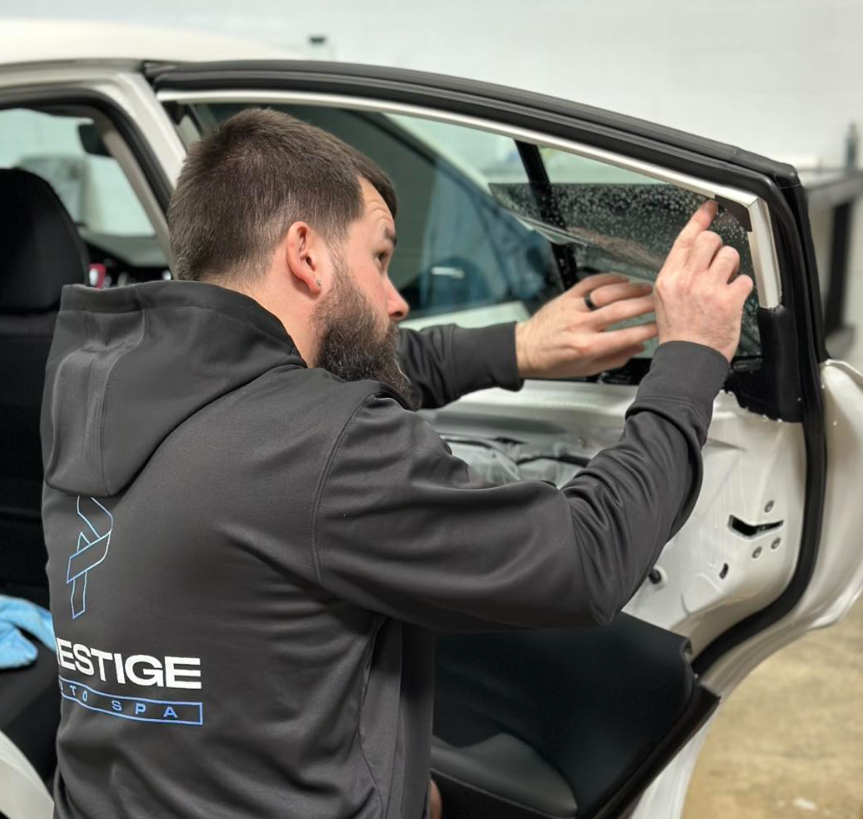
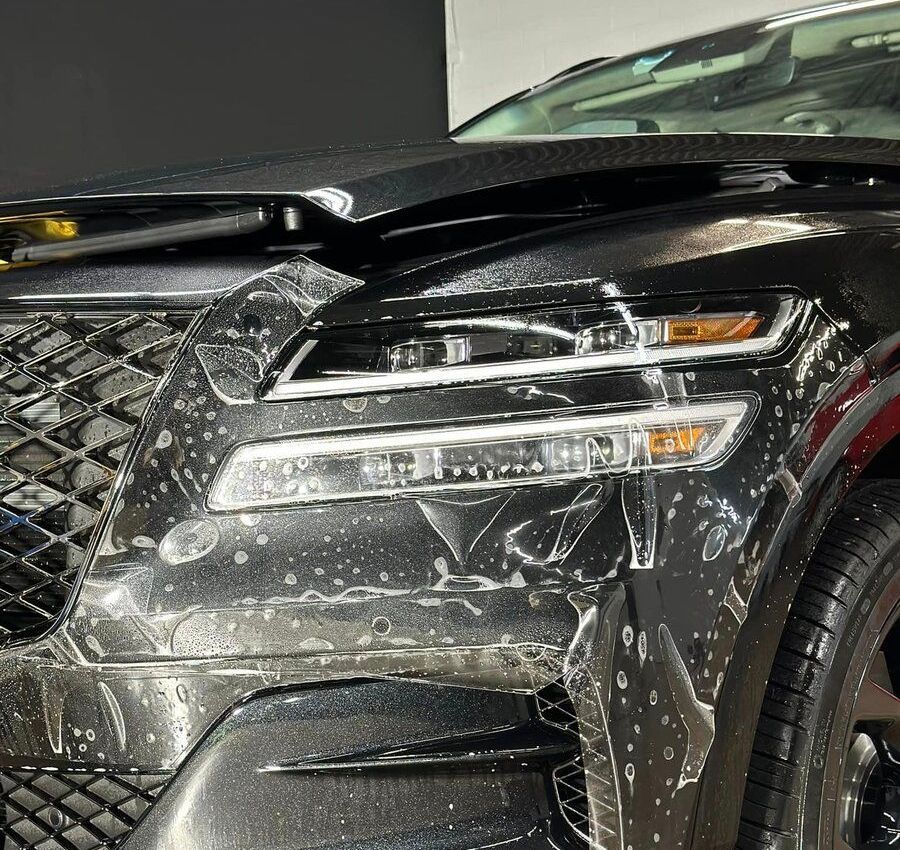
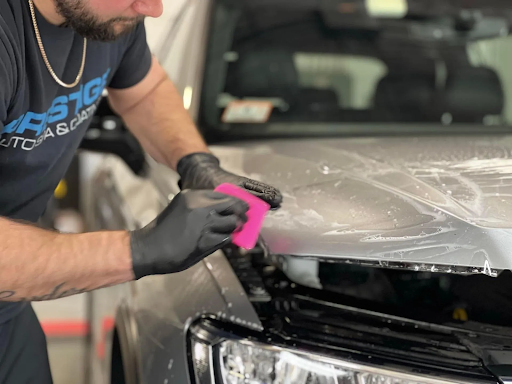
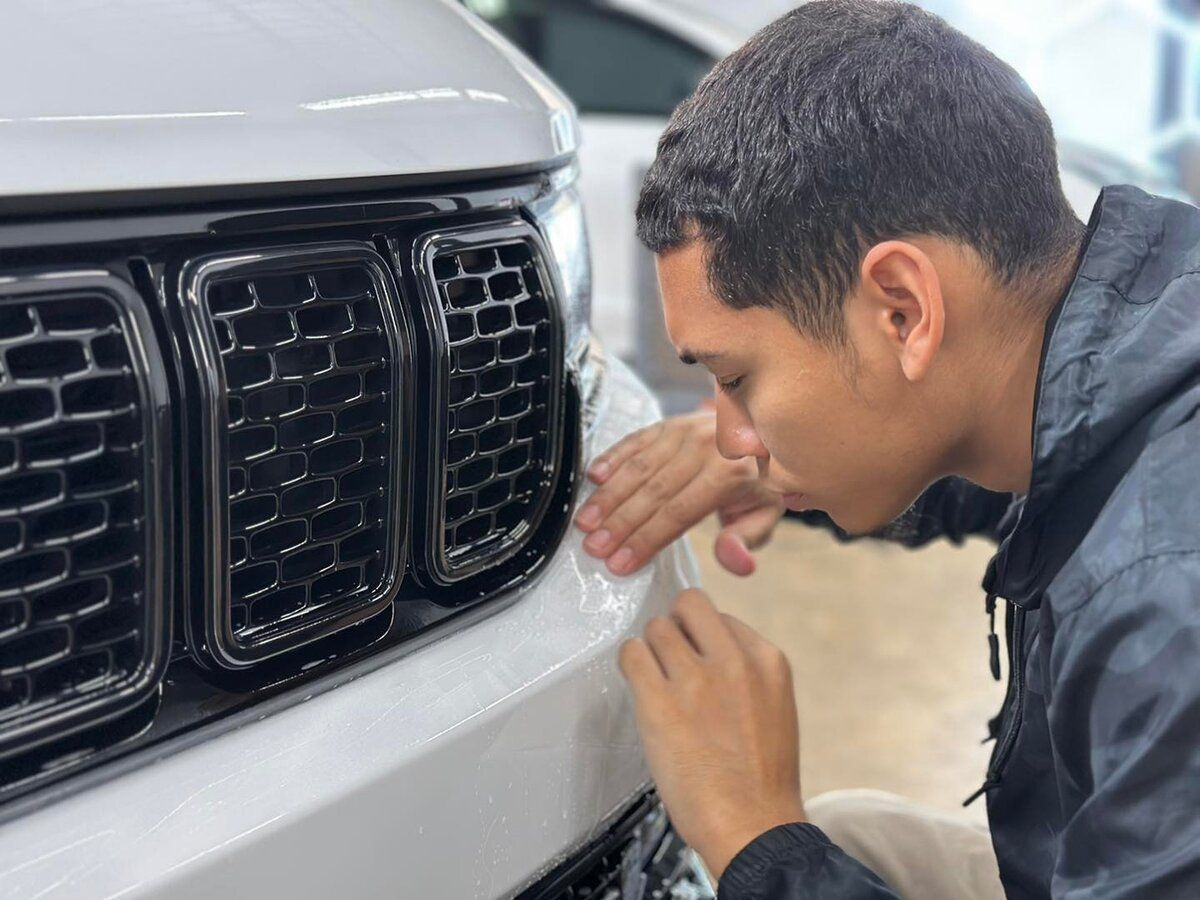
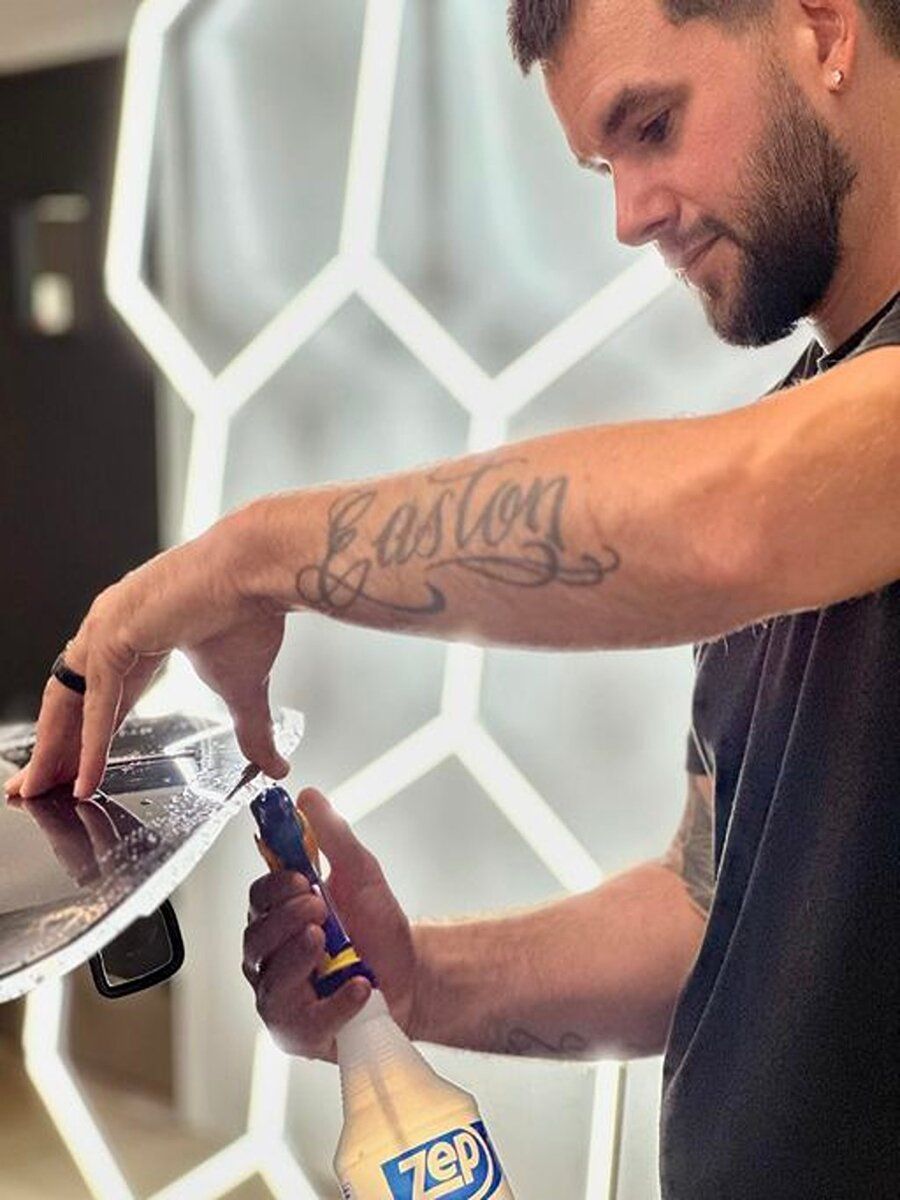
A perfectly laid film, free of air bubbles or wrinkles, resists dirt accumulation and mechanical stress better than one applied hastily. Proper edge sealing ensures water and grime don't creep underneath and start breaking down adhesives prematurely.
Our experience shows that customers who invest in high-grade films, professional application, and consistent care enjoy longer service periods closer to that 10-year mark.
Environmental Factors That Affect Longevity
Climate Impact
In areas with intense sunlight, constant UV exposure breaks down the polymer layers in the film, causing it to yellow or lose elasticity more rapidly. Extremely cold regions with frequent freeze-thaw cycles put stress on the adhesive bonds, which might lead to peeling or bubbling.
We recommend that vehicle owners in harsher climates schedule routine inspections more frequently. This proactive approach helps catch small issues early before they turn into costly repairs.
Urban vs. Rural Driving
Urban environments pose unique challenges for PPF. Pollutants like industrial grime, exhaust fumes, acid rain, and road debris are relentless aggressors that buffet your car every day. Even tiny particles in city dust can wear down the surface over time.
Rural settings often offer cleaner air and fewer contaminants, giving PPF a gentler life. However, rural drivers should still watch out for mud, sand, or gravel that can chip away at protective coatings during unpaved-road excursions.
Protection Tips by Environment
- Park in shade or covered garages when possible
- Rinse off pollutants promptly, especially after driving through construction zones.
- Use gentle cleaning agents designed for PPF.
- Schedule professional inspections annually or biannually based on climate severity
- Consider ceramic coatings over PPF for extra UV protection.
PPF vs. Ceramic Coating: Which Lasts Longer?
Understanding the differences between PPF and ceramic coatings helps you choose the ideal protection for your vehicle.
Protection Differences
PPF is a thick, durable shield that physically blocks stone chips and road debris from hitting your paintwork. This makes it valuable if you often drive on highways or rugged roads where damage risks are higher.
Ceramic coatings bond chemically to your paint, creating an ultra-smooth layer that repels water, dirt, and minor chemicals but doesn't offer the same impact resistance as PPF.
When comparing longevity, PPF typically lasts 5 to 10 years with proper care, while ceramic coatings generally need reapplication every 2 to 5 years. PPF also offers superior protection against rock chips and many premium versions include self-healing technology, which ceramic coatings cannot provide.
Making the Right Choice
If your daily route exposes you to environmental hazards like gravel or debris, PPF is the better investment despite the higher upfront cost. For enhanced gloss and easier cleaning in urban driving conditions, ceramic coating may suffice.
Recognizing When PPF Needs Replacement
PPF is durable but not invincible. Watch for these warning signs:
Common Wear Indicators
- Yellowing or discoloration happens when the film's top layer breaks down under UV rays or chemical exposure, signaling diminished protective qualities.
- Bubbling or peeling edges indicate the adhesive bond between film and paint is weakening. This could be caused by improper installation, extreme temperature changes, or age.
- Loss of glossiness on what should be a smooth, shiny finish often precedes more significant defects like cracking or peeling.
- Persistent surface marks that remain after cleaning indicate your film's self-healing properties are compromised.
When any of these signs appear, visit Prestige Auto Spa York for a professional assessment. We can determine whether repair, partial replacement, or a full new application is necessary. Clients who address problems early save substantially by avoiding deeper paint damage and costly restoration.
Ready to give your vehicle the protection it deserves?
Contact us today to schedule a consultation and receive a personalized quote for your paint protection film installation. Our team is standing by to answer your questions and help you make the best decision for your vehicle.
Frequently Asked Questions
How long does paint protection film typically last?
Paint protection film typically lasts between 5 and 10 years, depending on the quality of the film, installation method, and maintenance routine. Premium films with proper professional installation and regular care can reach the upper end of this range, while lower-quality films or those exposed to harsh conditions may need replacement closer to the 5-year mark.
What environmental factors shorten PPF lifespan?
Intense UV exposure, extreme temperature fluctuations, road salt, industrial pollutants, and acid rain are the primary environmental factors that shorten PPF lifespan. Vehicles constantly exposed to direct sunlight without covered parking can experience faster degradation. Regular washing and parking in shaded areas help counteract these effects.
Can paint protection film be repaired, or does it need complete replacement?
Minor issues like small bubbles or isolated peeling edges can often be repaired without full replacement. However, widespread yellowing, extensive peeling, or complete loss of self-healing properties typically requires full film replacement. A professional assessment at Prestige Auto Spa York can determine the most cost-effective solution for your specific situation.
Does professional installation really affect how long PPF lasts?
Absolutely. Professional installation can extend PPF lifespan by several years compared to DIY application. Trained technicians ensure proper surface preparation, eliminate air pockets and contaminants, control environmental conditions during application, and create secure edge sealing. These factors prevent premature failure and maximize your investment.
How do I maintain paint protection film to maximize its lifespan?
Maintain PPF by washing regularly with pH-neutral car soap and soft microfiber towels, avoiding harsh chemicals and abrasive materials, applying PPF-safe sealants every few months, parking in shade when possible, and scheduling annual professional inspections. These simple habits can add years to your film's protective life and keep your vehicle looking showroom fresh.
Prestige Auto Spa & Coatings