Does Window Tint Improve Car Privacy and Security? A Guide to Safety and Effectiveness
If you've ever parked your car and wondered how visible your stuff really is through the windows, you're not alone. Many drivers look into window tinting not just to cool down their ride but also to keep their belongings and themselves a bit more under the radar. At Prestige Auto Spa York, we've spent years helping people figure out which tints actually make a difference for privacy and security, cutting through the confusion around types and laws so you can get it right the first time.
Yes, window tinting significantly improves car privacy by reducing visibility into your vehicle from the outside, which helps protect personal belongings from potential theft. Additionally, tinted windows enhance security by making it more difficult for outsiders to see inside, thereby deterring break-ins and increasing overall safety.
Key Takeaways
- Window tinting reduces visibility by up to 65%, making it harder for thieves to see valuables inside your vehicle.
- Quality tint films hold shattered glass together, adding a physical security layer that deters break-ins.
- Legal compliance varies by state, with VLT percentages ranging from 25% to 70% for front windows.
- Ceramic tints offer superior protection without interfering with GPS or cell phone signals.
- Professional installation ensures durability and maximizes both privacy and security benefits.
Types of Window Tints
When it comes to window tinting, not all films are created equal. Each type serves its purpose in a unique way, affecting everything from heat reduction to signal interference.
Dyed Film
Dyed film is popular because it's budget-friendly and improves your car's look by giving windows a sleek, darkened appearance. However, while it absorbs some solar heat, it doesn't shield you effectively from harmful UV rays. That means your car's interior can still fade over time, and your skin remains vulnerable during long drives.
Metalized Film
Metalized film offers better protection against heat and UV radiation by reflecting sunlight away from your windows. It's more durable, which translates to longer-lasting benefits. However, the metallic particles can disrupt signals like GPS or cell phone reception, something we always recommend clients weigh carefully.
Carbon Film
Carbon film strikes a balance between performance and convenience by blocking UV rays and reducing heat without messing with your electronic signals. It's also more fade-resistant than dyed films, making it a solid all-around choice for drivers who want reliable protection.
Ceramic Film
Ceramic film is the gold standard. Using advanced nano-ceramic technology, it provides exceptional heat rejection and UV protection without any signal interference. Its non-metallic composition means it won't degrade cell service or GPS accuracy. Plus, ceramic tints maintain their clarity longer and improve driving comfort more noticeably on sunny days.
Choosing the Right Tint
Consider these factors when selecting your tint:
- Budget and upfront investment
- UV blocking or heat reduction needs
- Reliance on GPS or cellular signals
- Desired longevity and appearance
Privacy Benefits of Window Tinting
Window tinting offers an effective way to maintain privacy that conventional glass simply can't provide. By darkening the windows, tints act like a curtain, reducing visibility from the outside and allowing you to feel more relaxed while inside.
In bustling urban environments, where people and vehicles are constantly moving nearby, this privacy bubble helps prevent unwanted attention from curious pedestrians or opportunistic individuals surveying the interior.
The degree to which privacy improves depends on the darkness and type of tint applied. Charcoal or ceramic tints generally block more light, making it harder for anyone outside to peek in without sacrificing too much natural light inside. A good tint balances visibility both ways, preserving your view while shielding your activities.
Studies show that 78% of drivers felt safer and more secure after installing window tints, citing the sense of privacy as a major factor. When people cannot easily see valuables like backpacks, laptops, or phones inside the vehicle, there's psychological comfort that settles in.
Beyond making you feel comfortable using devices or chatting inside the car, these privacy benefits extend to everyday scenarios. Consider waiting in drive-thru lines or parking near crowded spots. With tinted windows, you're less likely to attract unwanted glances. This subtle barrier reduces the chances of someone casing your car for theft because they simply don't know what's inside.
Security Advantages
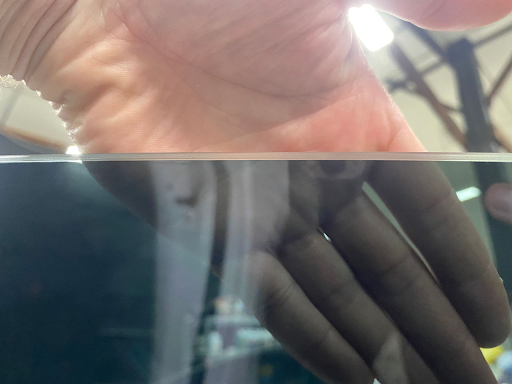
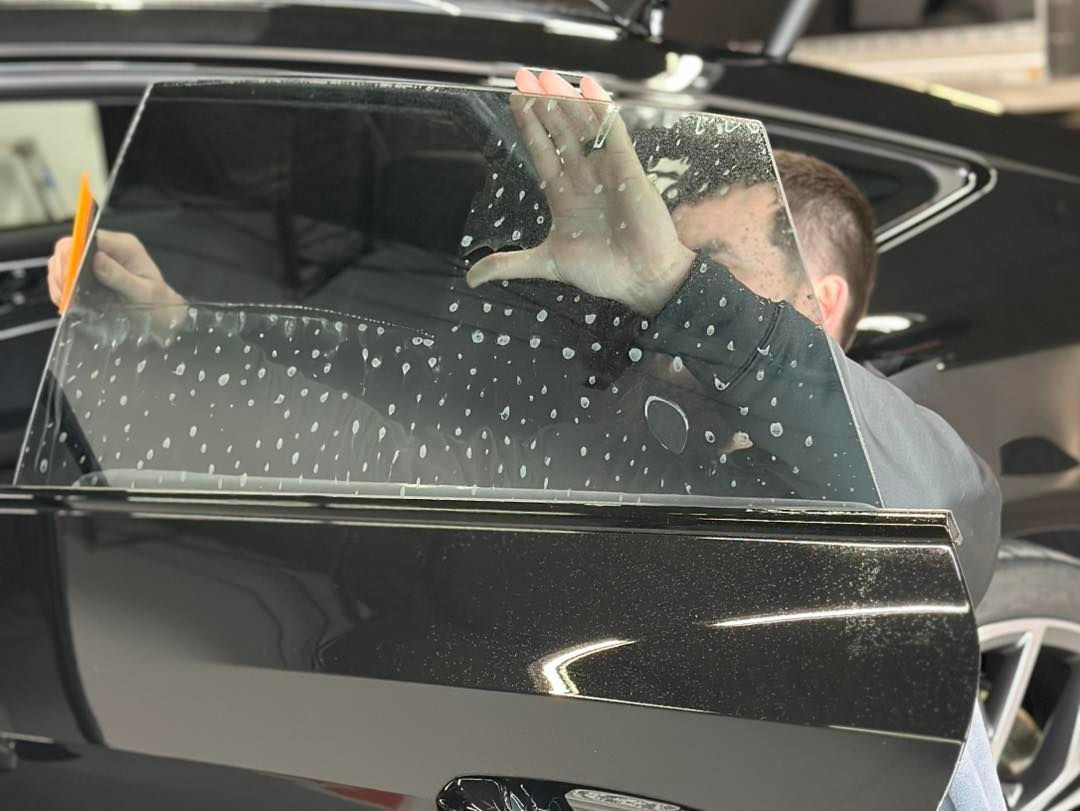
Window tinting does more than keep curious eyes at bay. It actually reinforces your vehicle against physical threats. The special films applied to car windows are designed to hold shattered glass together in the event of an impact.
When a would-be thief tries to smash a window adorned with quality tint film, they face a frustrating barrier. The glass won't shatter into dangerous shards but rather cling to the film, making entry difficult and time-consuming.
This delay is crucial. Thieves generally seek quick, easy targets, so the added effort required to overcome tinted windows often acts as an effective deterrent. In many cases, it gives you or passersby valuable seconds to notice something suspicious and take action.
Cars fitted with window tint film show an average 20% reduction in break-in incidents. This significant figure clearly points to tinting as a smart investment for anyone looking to protect their vehicle.
One client at Prestige Auto Spa York shared how their professionally applied window tint actually stopped a break-in in progress. When a thief attempted to smash their driver's side window, the film held the glass tightly together instead of allowing it to shatter. That bought enough time to call law enforcement, turning what could have been a costly loss into just a stressful memory.
While the security advantages are clear, we always stress the importance of pairing window tint with other protective habits like locking doors promptly, parking in well-lit areas, and using alarms. Tint film offers an extra shield but is most effective as part of a comprehensive security strategy.
Legal Tinting Rules
The rules governing window tinting vary from state to state and sometimes even between cities or counties. This patchwork of regulations focuses mainly on the darkness of the tint, commonly expressed as Visible Light Transmission (VLT) percentage. A lower VLT number means a darker tint, which may offer more privacy but can also raise legal red flags.
At Prestige Auto Spa York, we've seen how easy it is for customers to unintentionally violate regulations by picking tints that look great but don't meet local standards. That's why we always recommend consulting with professionals familiar with your area's rules before applying any tint.
Beyond fines, improper tint can complicate matters during traffic stops or inspections. Some law enforcement officers are trained to measure VLT with handheld devices, so non-compliance is swiftly detected. Too-dark tints can reduce visibility, which insurers might consider a liability, potentially affecting coverage or claims in case of an accident.
For example, California mandates that front side windows allow at least 70% of light through, while rear windows have more flexibility. Texas is more lenient on rear and side windows but restricts front window tint to 25% VLT. These variations reflect differing priorities balancing driver safety, privacy, and law enforcement oversight.
Many states permit only a small strip at the top of the windshield to be tinted or forbid tint there altogether except for certain medical exemptions. This rule aims to preserve clear forward visibility and ensure traffic safety, particularly for night driving.
To stay compliant, check your state's Department of Motor Vehicles (DMV) website or local law enforcement resources for current regulations before scheduling your tint service. If you already have tinted windows, consider having a professional inspect them to avoid surprises.
Finding the Right Balance
Striking the right balance between privacy and safety means not just picking the darkest tint available but choosing one that fits both legal limits and your personal needs. Too dark, and you might run into legal trouble or limit your visibility, especially at night. Too light, and you lose much of the privacy benefit that tinting offers.
A tint that reduces glare while still letting enough light through gives you comfort during bright days without turning your windows into opaque barriers when driving after dusk. This practical approach ensures you maintain clear sightlines for yourself and can be seen by other drivers.
At Prestige Auto Spa York, we help you select films designed to optimize visibility, heat rejection, and glare reduction, delivering privacy without sacrificing your ability to see clearly. Some advanced tints even offer enhanced security features like shatter resistance, which not only protects your privacy but can prevent break-ins by holding broken glass together.
Key considerations when choosing the ideal tint:
- Legal compliance with VLT percentages in your state
- Day and night visibility balance
- UV and heat protection for comfort and upholstery
- Security features that enhance glass strength
- Aesthetics that match your style preferences
The technology behind window tints continues to evolve. Ceramic tints, for instance, block a significant portion of infrared heat without being excessively dark. These advancements mean you don't have to choose between strong privacy and clear safety anymore.
Real-World Effectiveness
When we look beyond the theory, the true test of window tint effectiveness lies in everyday use. Customers consistently share how their vehicles feel noticeably cooler after professional tinting, sometimes dropping interior temperatures by nearly half.
Research backs this up: the best quality window films reflect a significant portion of infrared light, which is responsible for most of the heat buildup inside a car. Studies have shown that some advanced ceramic tints can reduce interior temperatures by as much as 45%. That kind of difference means less reliance on air conditioning, saving fuel and reducing wear on your vehicle's climate system.
We've heard firsthand from many at Prestige Auto Spa York who appreciate more than just temperature control. One customer shared, "After getting ceramic tints, not only did my car stay cooler, but I also felt a lot safer knowing it's harder for anyone to see into my vehicle."
The increased privacy doesn't just shield valuables from prying eyes; it also acts as a psychological deterrent to potential thieves. When would-be intruders can't easily peer inside to scope out contents or occupants, they're more likely to move along.
Furthermore, window tints contribute to safety in subtle but meaningful ways. In the event of accidents, the film holds shattered glass together, reducing the risk of injury from flying shards. This dual role of comfort and protection highlights how investing in high-quality tinting enhances your overall driving experience.
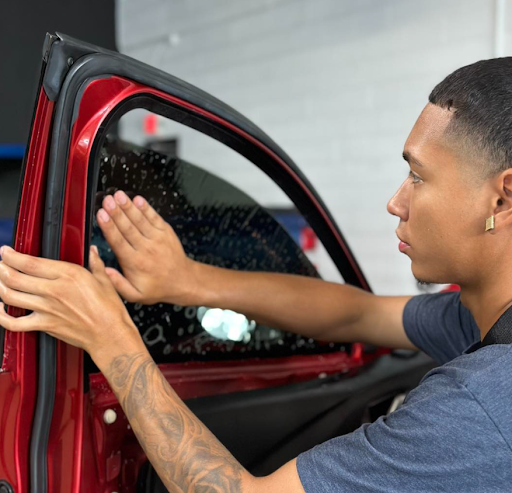
Given these combined benefits, it makes sense why many drivers turn to professional services like ours at Prestige Auto Spa York. Our careful application ensures tint installation meets all regulations while maximizing performance so you get the most value for your investment.
Transform your driving experience with professional window tinting.
Contact us today to schedule your consultation and discover which window tinting solution is right for you. Our team is ready to answer your questions and provide a personalized quote tailored to your vehicle and preferences.
Frequently Asked Questions
How does professionally installed window tint compare to DIY options in terms of durability and security benefits?
Professionally installed window tint outshines DIY options in both durability and security benefits, thanks to careful application techniques that minimize bubbles and peeling. Studies show professionally applied tints last up to 50% longer and maintain their opacity better, ensuring enhanced privacy and UV protection. Plus, professionals use high-quality films with shatter-resistant properties, making your windows tougher to break.
Are there legal restrictions on window tinting that affect its use for privacy and security?
Yes, legal restrictions on window tinting vary by jurisdiction and can impact its effectiveness for privacy and security. Many U.S. states specify maximum tint darkness or minimum visible light transmission (VLT), often requiring over 70% visibility on front side windows to ensure driver safety and law enforcement visibility. Approximately 85% of states impose such limits, balancing privacy with public safety concerns.
What level of tint darkness provides optimal balance between privacy and visibility?
The optimal tint darkness for balancing privacy and visibility typically falls around 35% VLT (Visible Light Transmission), which blocks 65% of light. This level is dark enough to obscure prying eyes while still allowing drivers clear visibility both day and night, reducing safety risks linked to overly dark tints. Studies show that going darker than 20% can impair nighttime vision by 30%, so 35% strikes the sweet spot.
Can window tinting help protect against UV rays and glare while enhancing security?
Absolutely! Window tinting blocks up to 99% of harmful UV rays and drastically cuts glare, which protects your skin and reduces eye strain while driving. On the security front, tinted windows make it harder for prying eyes and opportunistic thieves to see inside, adding a layer of privacy and helping prevent break-ins. Studies show that vehicles with darker tints are less likely to be targeted.
How effective is window tint in preventing theft and break-ins?
Window tint can be moderately effective in preventing theft and break-ins by obscuring the view of valuables inside your car, which reduces temptation for opportunistic thieves. Studies show cars with darker tints see up to a 30% decrease in break-in attempts since thieves often target vehicles where they can easily spot valuables. However, tint alone isn't foolproof, so think of it as one layer within a broader security strategy.
Prestige Auto Spa & Coatings