Does Ceramic Coating Protect Against Acid Rain? Complete Guide to Protection and Benefits
Acid rain might sound like a distant environmental issue, but if you own a car, it can quietly cause real damage to your paint over time. You've probably wondered if there's a way to protect your vehicle without constantly reapplying wax or risking expensive touch-ups. That's where ceramic coating comes in: a high-tech shield that promises to keep acid rain and other harsh elements from ruining your car's finish. After years of seeing firsthand how well it works, we wanted to break down exactly what ceramic coatings can do for your ride and clear up any confusion about their real protective power.
Yes, ceramic coating provides a strong protective layer that helps shield your car's paint from acidic contaminants like acid rain. While it doesn't make your vehicle completely impervious, it significantly reduces the risk of damage and staining, making it an effective preventative measure.
Key Takeaways
- Ceramic coating creates a durable, chemically bonded shield that repels acid rain and environmental contaminants far more effectively than traditional wax, lasting 2 to 5 years with proper maintenance.
- Hydrophobic properties minimize acid exposure time by causing water and pollutants to bead up and roll off the surface, reducing the opportunity for chemical etching and staining.
- Professional application ensures optimal protection through proper surface preparation, even coverage, and technique that DIY methods often cannot replicate.
- Regular maintenance is still essential even with ceramic coating; gentle washing with pH-neutral products and routine inspections maximize longevity and effectiveness.
- Ceramic coating is an investment in long-term value preservation, protecting your vehicle's appearance and resale value while reducing the frequency and cost of paint correction services.
Understanding Acid Rain and Paint Damage
Acid rain forms when sulfur dioxide and nitrogen oxides mix with atmospheric moisture, creating sulfuric and nitric acids. These compounds fall to earth in precipitation, landing on your vehicle's surface, where they begin to chemically react with the clear coat. The acidic compounds don't just sit on the surface; they actively etch into the paint, breaking down the protective clear coat layer that gives your car its glossy finish.
Each rainfall deposits more acidic contaminants, and if left unwashed, these substances concentrate as water evaporates, intensifying their corrosive effect. Over time, this creates visible dull spots, watermarks, and etching that cannot be removed with simple washing. Once the clear coat is compromised, the underlying paint becomes vulnerable to UV damage, oxidation, and further environmental degradation.
How Ceramic Coating Protects Against Acid Rain
Ceramic coating creates a hard, transparent shield bonded directly to your vehicle's paint. This ultra-thin film made of silicon dioxide molecules chemically fuses with the paint itself, resulting in a durable, glass-like barrier that is highly resistant to environmental damage, including acid rain.
Best thought of as a molecular-level, extremely durable wax that lasts for years, ceramic coating maintains many characteristics of traditional wax without the short-term durability issues. This makes your vehicle much easier to clean while providing an extra layer of protection from UV damage and oxidation on your vehicle's paint.
Chemical Resistance Properties
The molecular structure doesn't allow acidic particles from rain or pollutants to latch onto the paint and cause chemical reactions that lead to staining or deterioration. Instead, these harmful substances bead up and slide right off when the car is exposed to moisture, significantly reducing their contact time with the paintwork.
Unlike waxes, which degrade after just a few weeks, ceramic coatings can last for years with proper maintenance because their chemical bonds are much stronger and more stable. The coating's exceptional surface resilience means it resists abrasion and surface marring from environmental contaminants better than conventional products.
Hydrophobic Properties Explained
Because ceramic coatings create a hydrophobic surface, washing your car becomes easier as grime and acids find fewer places to stick. Water beads up into tight spheres and rolls off the surface, carrying away dissolved contaminants before they can bond with the paint. The coating repels dirt, mud, and water effectively, making maintenance significantly easier.
By reducing the dwell time of acid rain on your vehicle's surface, the coating dramatically decreases the opportunity for chemical etching. Where unprotected paint might allow acids to sit and react for hours or days between washes, a ceramic-coated surface sheds these contaminants with each rainfall or rinse.
Ceramic Coating vs. Traditional Wax: Key Differences
Wax requires reapplication every few months and breaks down quickly when exposed to harsh chemicals like those found in acid rain. The organic compounds in wax simply cannot withstand the chemical assault that ceramic coatings handle with ease.
In contrast, ceramic coatings bond chemically with the paint and last 2 to 5 years with proper maintenance. They provide high-level defense against UV damage, acid rain, bird droppings, and chemical contaminants. The coating acts like invisible armor that repels water, dirt, and pollutants more effectively than wax, making washing your car significantly easier because grime doesn't grip the surface.
Professional Application Process
The process of applying ceramic coating demands attention to detail and careful preparation. We begin with washing and drying the car meticulously to ensure every trace of dirt, grease, or old residue is removed so the coating has a perfectly smooth surface to bond with.
Surface Preparation and Paint Correction
Using a clay bar helps remove microscopic contaminants embedded in the paint that a regular wash can't touch. We often spend hours on this preparation phase alone because any imperfection left behind can compromise the coating's adhesion and longevity.
Paint correction often comes before ceramic coating application. If your vehicle has swirl marks, light imperfections, or oxidation, these issues will be locked in under the coating if not addressed first. We use polishing compounds and specialized tools to level the paint surface. This paint polishing step is what locks in the gloss improvement achieved during preparation.
Application Technique and Curing
We apply ceramic coating best in a shaded, well-ventilated area with ideal conditions between 60°F and 80°F with humidity below 70%. Using a foam applicator pad, we carefully spread small sections of the coating, working methodically rather than rushing over large areas.
Once each section is coated, we let it sit just long enough to begin chemical bonding with the paint before buffing away excess residue with a clean microfiber cloth. The most important directive is to keep the car dry and away from moisture for at least 24 hours because moisture interrupts curing. We typically recommend a full seven days before the first wash to allow complete curing.
While these steps can be followed at home, professional application at Prestige Auto Spa York offers precision and peace of mind. Our team has mastered the technique, ensuring every inch receives uniform coverage and bonding.
Durability and Maintenance Requirements
A well-applied ceramic coating forms a strong, resilient bond with your vehicle's paintwork, capable of withstanding harsh environmental stressors such as UV rays, acid rain, bird droppings, and road salts. Premium ceramic coatings can last anywhere from two to five years when properly cared for. Coatings are typically rated by years due to their longevity for abrasion resistance, thickness, and UV wear.
Essential Maintenance Practices
We recommend gentle hand washing with pH-neutral soaps every 2 to 4 weeks and regular inspections to spot any areas where the protection might be wearing thin. Avoid harsh cleaners or automated car washes that use abrasive brushes; they can chip away at the ceramic layer over time. Always use quality microfiber cloths to wash and dry your vehicle.
We advise that every 6 to 12 months the vehicle be thoroughly decontaminated by the removal of any road tar, iron, tree sap and industrial fallout deposits that may have accumulated. After storms or acid rain exposure, rinse your vehicle promptly to remove acidic residues before they have prolonged contact with the coating.
Real-World Performance in York, PA
Our experience at Prestige Auto Spa York shows that ceramic coating performs impressively when confronting real-world conditions. Owners frequently tell us their cars stay cleaner longer and resist the corrosive effects of acid rain far better than untreated paint.
In the York, PA area, where we experience varied weather patterns throughout the year, we've documented numerous cases where ceramic-coated vehicles maintained their appearance dramatically better than unprotected cars. After severe storms with high acid content, uncoated vehicles often show visible etching and dull spots, while coated vehicles simply need a rinse to restore their shine.
Performance Limitations
While ceramic coating provides robust protection, it isn't an impenetrable shield. Acid rain is corrosive by nature, and if left on your car too long or combined with other harsh contaminants, any protective layer will eventually show wear. That's why regular maintenance remains essential.
The quality of application plays a significant role in real-world results. A professionally applied ceramic coating creates a uniform layer with optimal thickness, ensuring maximum coverage and durability. DIY applications may fall short, leaving vulnerable spots where acid rain can still cause harm.
Investment Considerations
Ceramic coatings bring remarkable protection, but it's important to remember they are not magical force fields. We face choices that go beyond just whether to coat or not; we need to think about preparation, upkeep, and realistic outcomes.
Compared to traditional waxing, ceramic coating requires a higher upfront investment. However, it's essential to weigh this against long-term benefits like enhanced durability and reduced frequency of reapplications. The reduced maintenance requirements and superior protection make it worthwhile for vehicle owners who value lasting results.
Setting Realistic Expectations
While ceramic coatings excel at resisting chemical etching from acid rain and environmental pollutants, they won't render our cars bulletproof. Ceramic coatings will not deflect road debris or provide a magical forcefield that is impenetrable. Viewing ceramic coatings as enhancing chemical and UV resistance instead of invincibility helps maintain satisfaction.
These strong coatings offer excellent protection against harmful UV rays, dirt, early wear and tear, rust, bad weather, bird droppings, and help stop stains from acid rain. Your treated car will not only be easier to clean but it will also stay clean longer due to its super hydrophobic properties.
Professional Application Benefits
The surface must be meticulously cleaned and decontaminated; any dirt, paint imperfections, or old wax residue left behind can prevent the coating from bonding properly. This step demands patience and precision; cutting corners here is where many DIY attempts fall short.
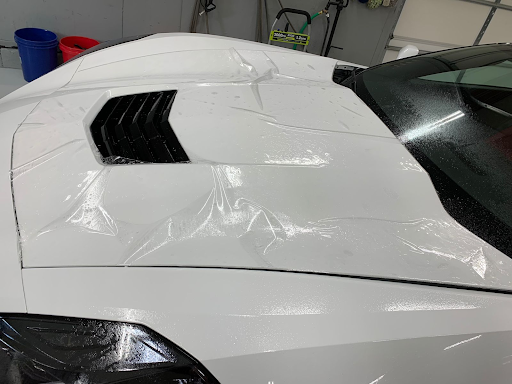
At Prestige Auto Spa York, we provide comprehensive service, from thorough surface preparation to professional ceramic coating application and ongoing care advice tailored to your vehicle's environment. Coatings are carefully applied by certified applicators as a liquid, one panel at a time, covering the exterior painted surfaces.
Conclusion
Understanding both the strengths and limits of ceramic coatings empowers car owners to make informed decisions about protecting their vehicles. Professional application paired with proper maintenance offers the best defense against acid rain damage while preserving your car's finish and value.
Ceramic coating represents a significant advancement in automotive paint protection technology, providing a durable barrier that traditional waxes simply cannot match. The chemical bonding process creates a shield that actively repels acid rain, reduces water spotting, and makes routine maintenance easier and more effective.
Ready to protect your vehicle from acid rain and long-term environmental damage? Contact our team today to schedule your ceramic coating consultation. We'll assess
your vehicle's current condition, discuss your protection goals, and recommend a solution that provides lasting value and peace of mind.
Frequently Asked Questions
How long does ceramic coating last against acid rain damage?
Quality ceramic coatings typically last between 2 and 5 years when properly maintained, continuing to provide acid rain protection throughout this period. The exact lifespan depends on environmental exposure, maintenance habits, and the quality of the coating product and application.
Can ceramic coating be applied over existing paint damage from acid rain?
No, ceramic coating should not be applied over existing acid rain damage, as it will seal in imperfections. Any acid etching, water spots, or paint damage must first be corrected through paint polishing to create a smooth, flawless surface for proper bonding.
Is ceramic coating worth the investment compared to regular waxing for acid rain protection?
Yes, ceramic coating offers significantly better value for acid rain protection when considering long-term effectiveness. While wax requires reapplication every few months, ceramic coating lasts years with superior chemical resistance, requires less maintenance, and preserves your vehicle's resale value more effectively.
What maintenance does ceramic coating require to maintain acid rain protection?
Regular washing with pH-neutral car shampoo every 2 to 4 weeks is essential, along with avoiding automatic car washes with harsh brushes. After storms or acid rain exposure, rinse your vehicle promptly to remove acidic residues, and decontaminate thoroughly every 6 to 12 months.
Does ceramic coating eliminate the need for paint correction after acid rain exposure?
Ceramic coating significantly reduces but doesn't completely eliminate the potential need for future paint correction. A properly maintained coating acts as a sacrificial chemical barrier that takes the brunt of acidic exposure before it reaches the clear coat, but if neglected or worn thin, acid rain can still cause damage.
Prestige Auto Spa & Coatings